Khartoum
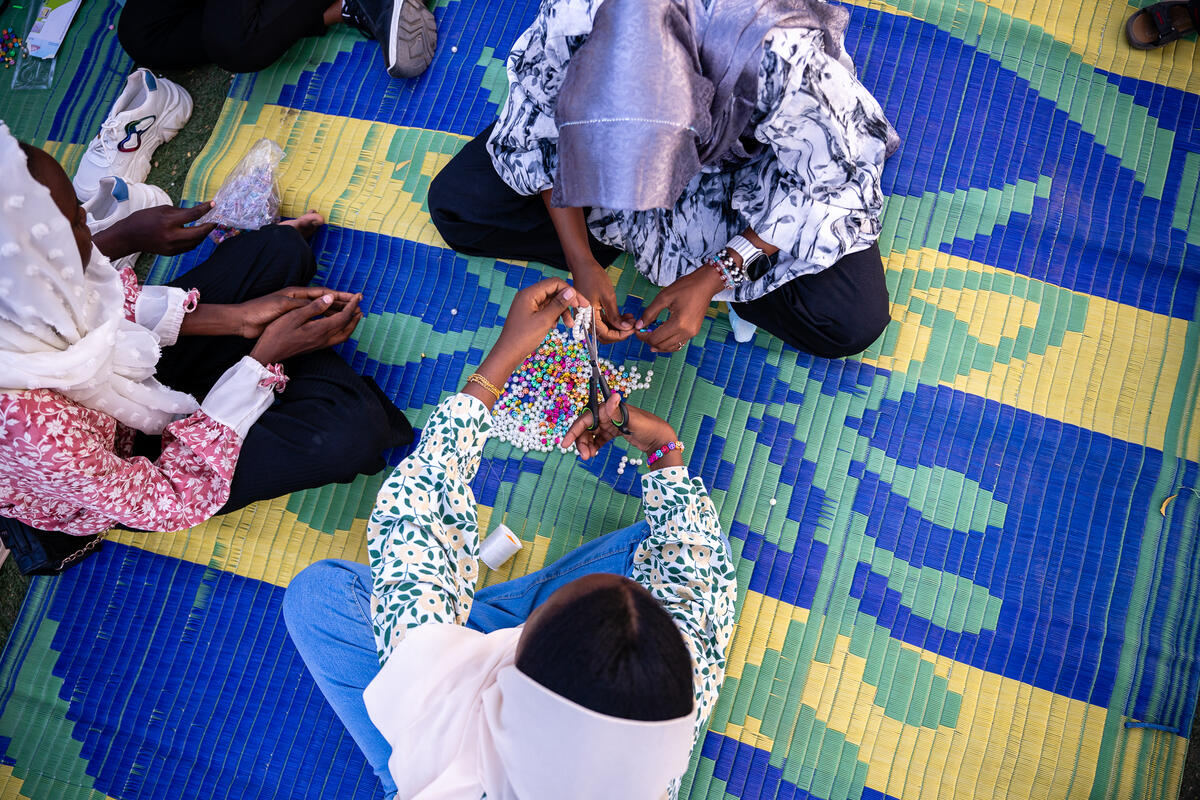
Khartoum is the capital of Sudan and, with a population of 7 million, it’s the largest city in the country. Since April 2023, the city has been profoundly affected by the fighting.
Although our programme is registered in Khartoum, activities supporting children, young people and families have moved to other areas of the country where the population has fled to. They require assistance with basic needs such as shelter and food, as well as educational and health support. We retain the name ‘Khartoum’ in the hope that one day families may be able to return there safely.
Since 1987, SOS Children’s Villages has been supporting children, young people and families, and advocating for their rights in Khartoum. Most recently, these activities have moved to other areas of Sudan.

1 in 3
Children in Sudan are too small for their age
Children do not get enough food
In Sudan, poor nutrition is a major threat to the survival and development of children under the age of 5. In fact, the situation has worsened in recent years and approximately 2.5 to 3 million children are malnourished. While the risk of malnutrition is highest in areas affected by the conflict and rural areas, however urban poverty and inequality means that many parents in Khartoum struggle to provide enough nutritious food for their children. As a result, over 1 in 3 children under five is too short for their age, and this is mainly due to malnutrition. Illnesses such as diarrhea exacerbate poor dietary intake even more, which can have grave long-term effects for children.

15M
People in Sudan had to flee their homes
Families forced to move to safety
There are over 15million internally displaced persons
Until 2023, SOS Children’s Villages ran many activities in Khartoum. However, after April 2023 millions of people left the city. The capital was a centre for fighting and the infrastructure such as sanitation facilities, health services and education destroyed.
Against this background, SOS Children’s Villages also focused its activities in other areas of the country where people fled to safety. These include Kassala, Red Sea State, White Nile and North Dafur.
Your support makes a difference for children
SOS Children’s Villages works with local partners and communities to offer a wide range of support that is adapted to the local context. We always work in the best interest of the children, young people and families.
.png)
135
Families
Can stay together

135
Children and young people
Grow up in our care
.png)
60
Young people
Are supported on their way to independence

179,900
people
Received humanitarian support in 5 locations across Sudan
How your support helps
Strengthening vulnerable families and communities
When parents face hardships, they can sometimes struggle to give children the care they need. SOS Children’s Villages works with local partners and communities. Each family needs different support so that they can stay together. This support can include workshops on parenting and children’s rights. We also run training so that parents can get the skills they need to get a job or start their own businesses. Likewise, we ensure that children can get medical help and go to school.
Caring for children who cannot live with their families
Some children cannot stay with their families, even with additional support. When this happens, they can find a new home in SOS Children’s Villages. The families are currently living in Kassala. Here the children can build safe and lasting relationships. All the children in our care have access to education and healthcare. Wherever possible, we work closely with the children’s family of origin. If children can return to live with their families, we help them adapt to this change.
Supporting young people to become independent
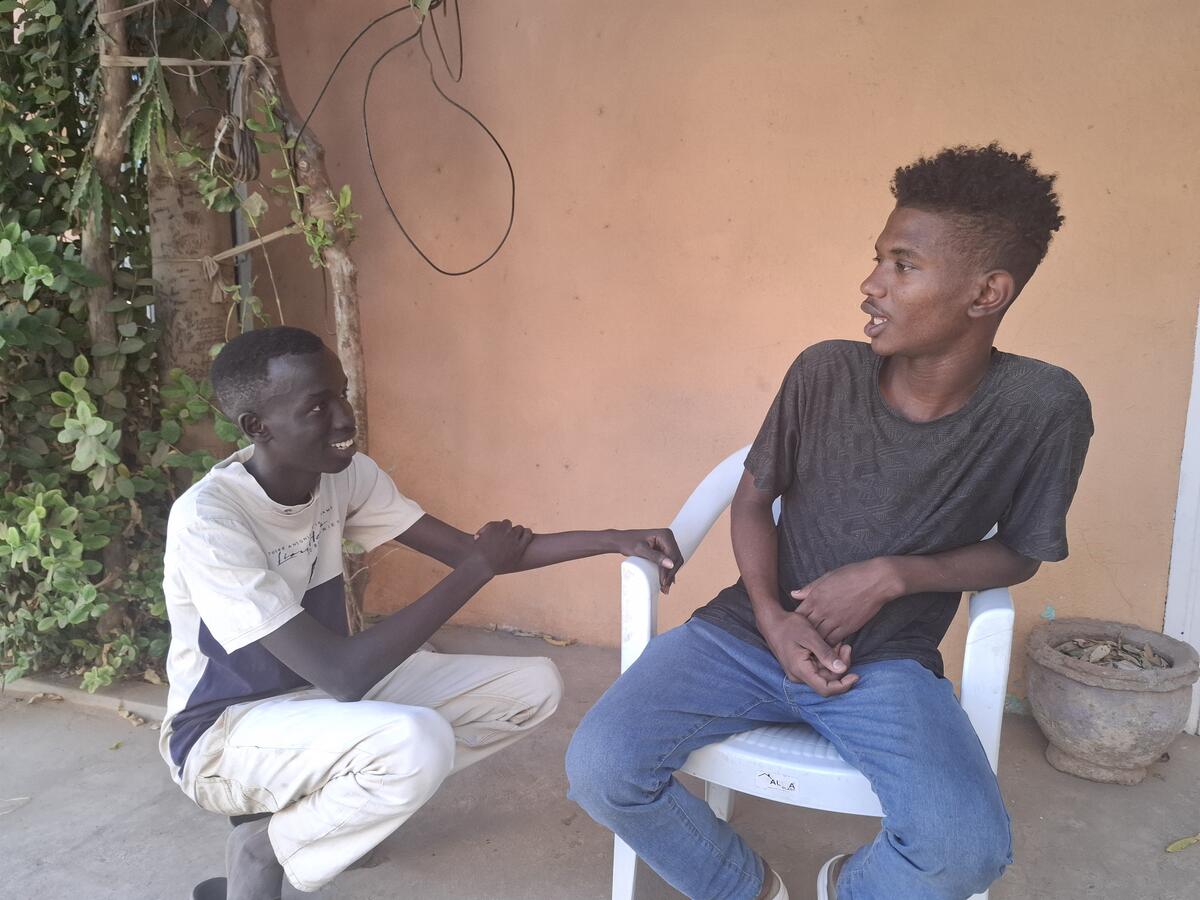
To help young people become confident and independent, our local team works closely with each young person to develop a plan for their future. We support young people and also help them prepare for the labour market and increase their employment prospects. For example, young people can attend workshops and trainings run by SOS Children’s Villages. They also improve their skills through taking part in different projects with local mentors and businesses.