Sudan
Sudan is located in Northeast Africa and has an estimated population of over 40 million. Sudan’s history of armed conflicts has affected all areas of social, economic and political life. The fighting of the past fifty years has cost over 1,5 million lives and most recently, many more people have been internally displaced or had to flee to neighbouring countries.
While there had been some positive changes, the situation has changed drastically since 2023 when conflict escalated. Nearly 15 million have had to move to other parts of Sudan and more to neighbouring countries.
SOS Children’s Villages has been supporting children and young people without parental care, or at risk of losing it, in Sudan since 1978.
Landsbyer i Sudan
Children are at risk
Since 2023, the conflict has led to a humanitarian crisis that has negative effects on children. Being forced to flee their homes due to the conflict, many families were separated. Children without parental care are extremely vulnerable. Furthermore, infrastructure such as sanitation facilities or access to water, is poor, which increases the risk of the transmission of diseases that are particularly dangerous for children. Conflict, underdevelopment and limited awareness of the importance of education also means that many children do not have the chance to attend school.

7
Million children have been forced from home
Internally displaced
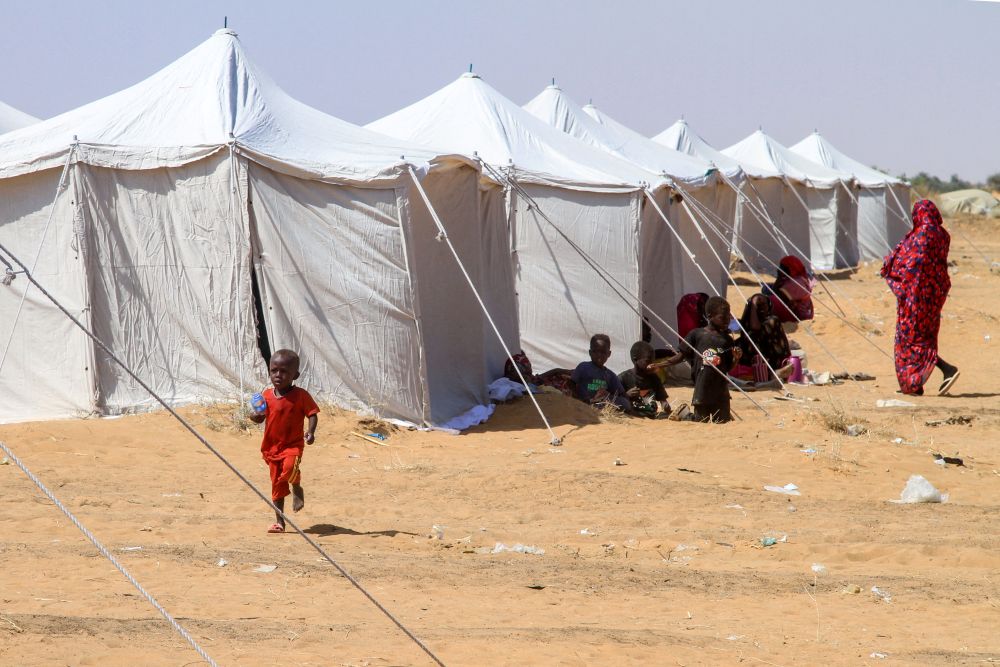
Sudan’s history of armed conflicts has affected the lives of many people in the country. The fighting has cost millions of lives and even more people have been internally displaced. In fact, Sudan has one of the highest rates of internally displaced people in the world: around 15 million people have had to leave their homes and often live in extremely poor conditions. More than half of the displaced people are children, this means around 7 million children have left their homes. And a large number have been separated from their families.

11%
Of child’s deaths caused by diarrhea
Poor infrastructure
As a result of conflict, natural disasters and underdevelopment, Sudan’s infrastructure is in need of improvement.
Only a third of households in the country have access to proper sanitation. The sanitation conditions are particularly bad in displacement sites.
The lack of adequate infrastructure puts many at risk of epidemics and children are particularly at risk. In fact, 11% of child deaths in Sudan are caused by diarrhea.

19M
Children in Sudan are not in school
Education
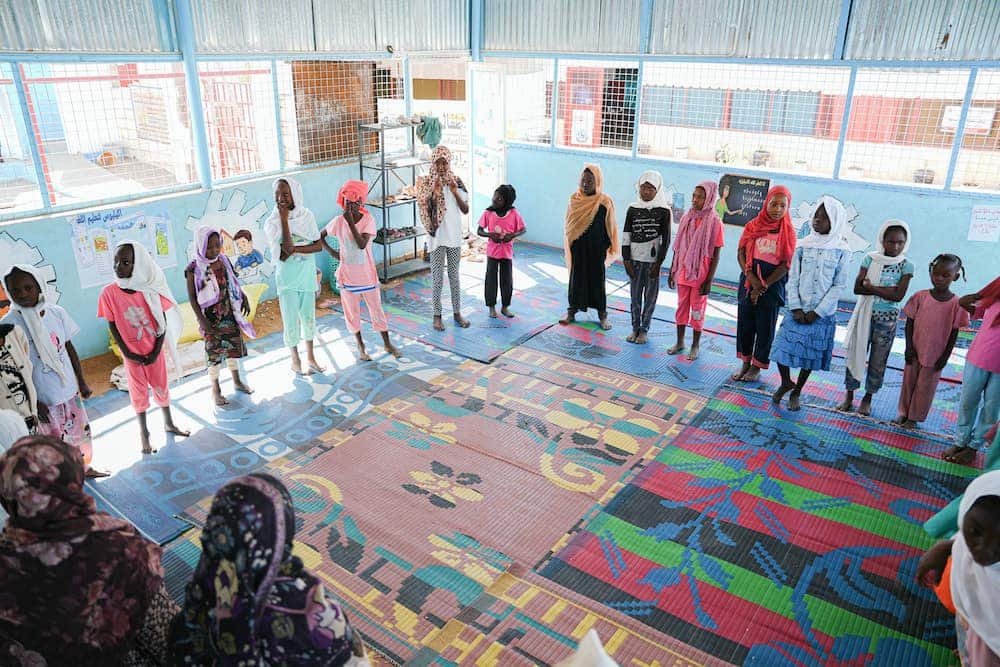
Sudan has one of the largest number of out-of-school children in the region. It is estimated that over 19 million children do not go to school. Due to the conflict, schools have been closed, destroyed or are being used for other purposes.
According to UNICEF, since the war began in 2023, children have missed 500 days of learning. Without a proper education, children struggle to escape the viscous cycle of poverty.
Together we can make a difference for children in Sudan
.png)
135
Families
Can stay together

80
Children
Grow up in our care
.png)
135
Children and young people
Grow up in our care and are supported on their way to independence

179,900
people
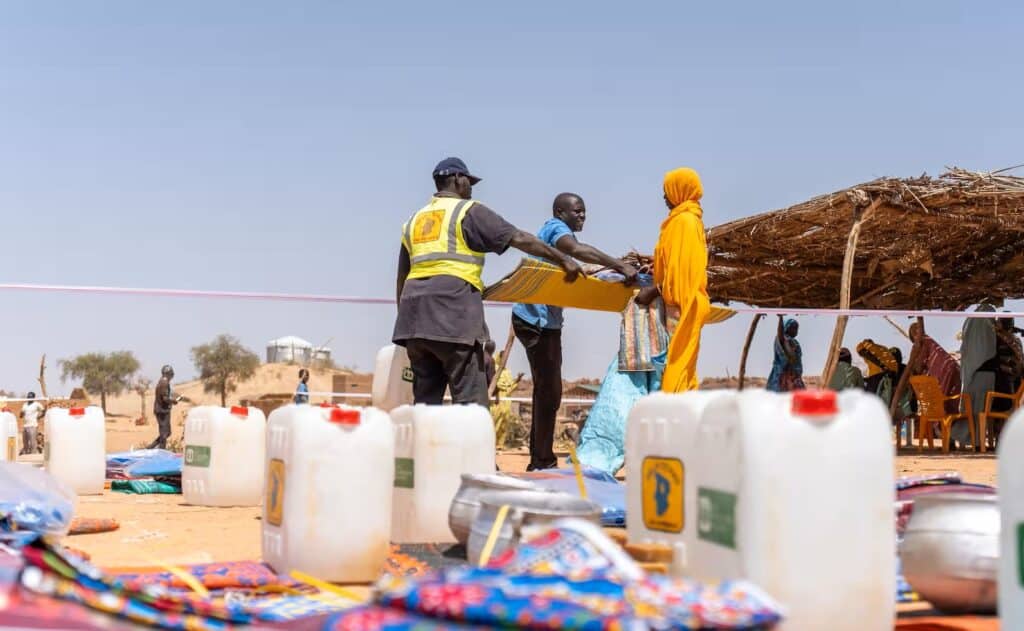
Received humanitarian support across Sudan
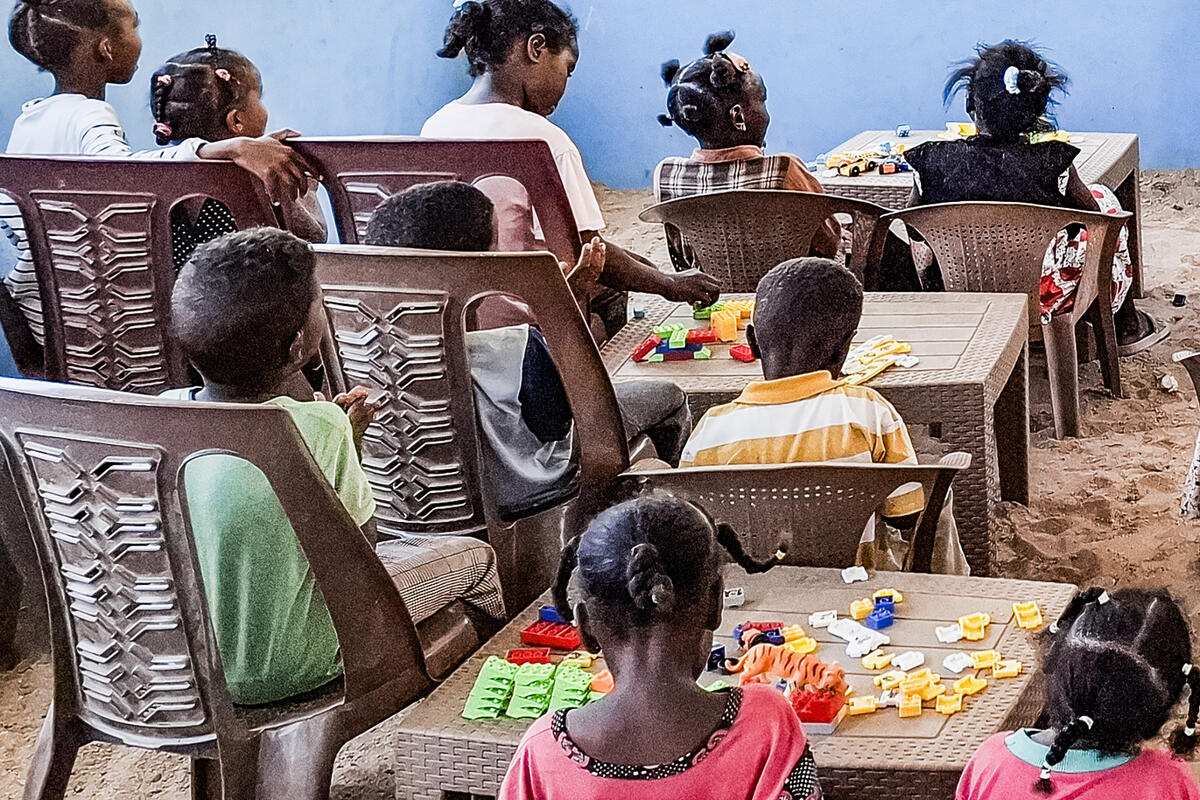
Let’s keep on protecting children and young people!
Many children have been able to find a safe and secure home. With your help, we can continue to change their lives